Call or Text
801-438-4793Back to Blog
How Much Is a Water Softener in Salt Lake City? 2026 Cost Guide
January 9, 2024
Clean the shower. Notice the spots. Clean it again. If that sounds familiar, you’re probably wondering: How much is a water softener for a Salt Lake City home?
National prices commonly range from $200 to $6,000, with an average near $1,500, according to Angi’s 2026 cost guide. These are national benchmarks, not a Salt Lake City quote; the lowest prices include devices that do not actually soften water.
You want fewer mineral spots, not another expensive appliance to figure out. Here’s how to read the price tag, spot installation extras, and choose a system that fits life in your Salt Lake City home.
Key Takeaways
- Use national prices as a starting point; your Salt Lake City estimate should reflect a true softener and the work your home needs.
- A water test and your household’s water usage help determine the right system capacity and avoid unnecessary upgrades.
- Installation costs rise when your home needs new supply connections, a drain, electrical work, or other plumbing changes.
- Salt-based systems remove hardness minerals, while salt-free conditioners generally target scale without producing soft water.
- Your total budget should include salt or replacement media, water used during regeneration, maintenance, and potential repairs.
What Does a Water Softener Price Include?
That bargain on the store shelf can look less exciting once you add plumbing and setup. Before comparing prices, check whether you’re looking at the tank alone or a fully installed, ready-to-use system.
| Cost component | What you are paying for |
| Water softener system | Tank or tanks, resin, control valve, and other included components |
| Professional installation | Connection to the water supply, bypass, drain, setup, and testing |
| Home-specific work | Additional plumbing, electrical changes, access work, or permits when required |
A complete quote should account for each item in this breakdown. For a whole-house ion exchange softener, ask for the total installed price to avoid surprises on installation day.
Why Local Water Conditions Matter
If those white deposits keep coming back after you clean, your water supply may be the reason. Salt Lake City Public Utilities says more than 60% of its water starts in Wasatch mountain streams. In summer, the city supplements that supply with harder well water that contains more minerals.
Here’s why that matters when you’re shopping:
- Your water can change with the season. Summer well-water use can change the mineral mix reaching your tap, so a general city average is only a starting point.
- Hardness affects how hard your softener has to work. More minerals mean more treatment demand, which influences capacity and regeneration settings.
- Your address deserves its own test. A reading from your kitchen tap is more useful for sizing than a neighbor’s estimate; your water provider may also differ elsewhere in the valley.
What Affects Water Softener Costs in Salt Lake City?
Your neighbor’s price is a useful conversation starter, but it isn’t your quote. These three details explain why two similar homes can need different budgets.
How Much Water Your Household Uses
Hard water contains calcium and magnesium. A water test measures hardness, usually in grains per gallon, and softener capacity is measured in grains, which affects equipment price. The harder your water and the more you use, the more treatment capacity you may need.
Proper sizing also considers peak flow: can the system handle showers, laundry, and the dishwasher running at the same time? Ask the installer to explain both capacity and flow rate so you do not pay for unnecessary capacity or choose a system that is too small and regenerates too often.
What You Get for the Upgrade
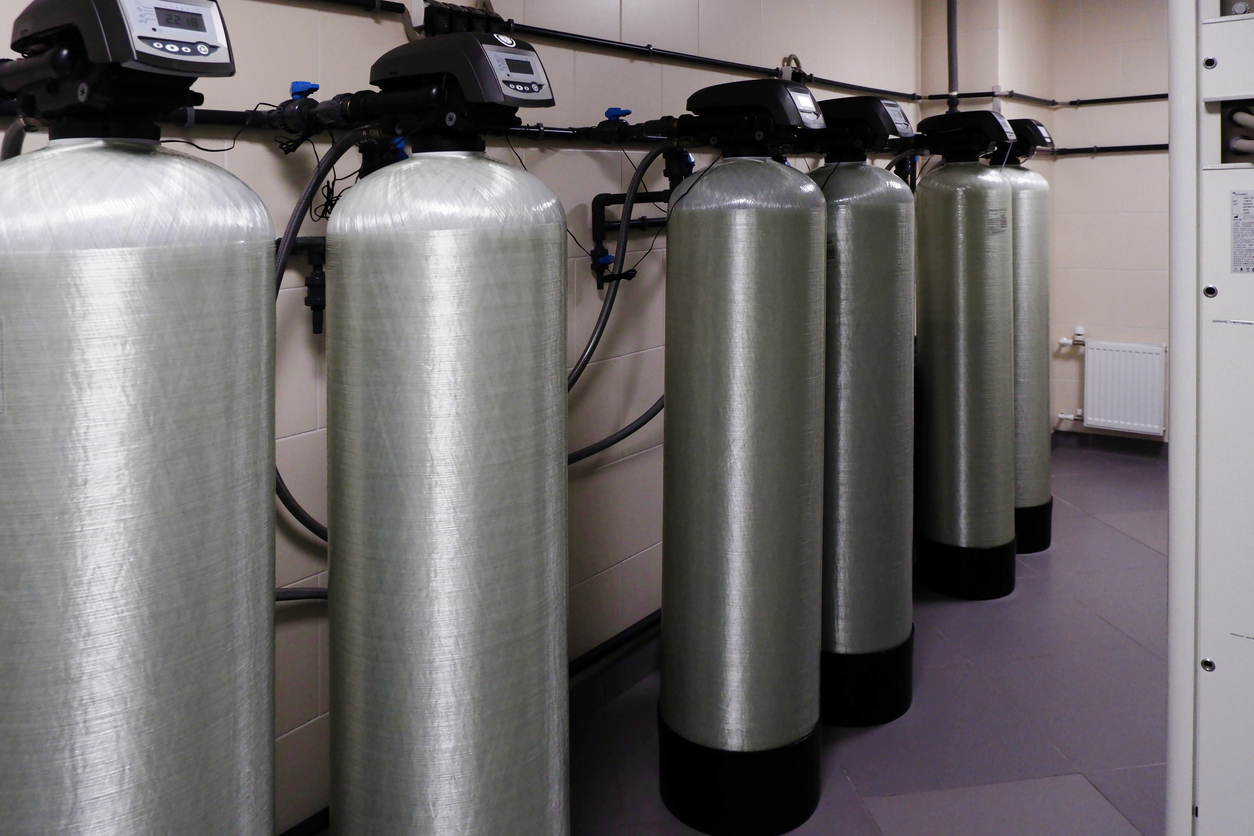
A salt-based water softener typically has a resin tank, a brine tank, and a control valve. The resin removes hardness minerals, while the valve controls regeneration. Quality components and demand-based controls may cost more upfront, and control valve quality affects both the initial price and the risk of repairs over time; compare warranties and maintenance requirements before paying for extra features. Premium systems often cost more because of advanced controls and better-built parts, while cheaper models may use lower-quality components.
How Ready Your Plumbing Is
Already have a softener loop? That can reduce installation complexity and labor. Starting from scratch may mean new supply connections, a suitable drain, or an outlet, and new plumbing or piping modifications can raise labor costs. A cramped utility room can also add labor compared with an easy-to-reach replacement. Professional labor often runs about $150 to $500, broader installation costs commonly range from $150 to $1,000, and complex jobs can exceed $2,000.
Which Water Softener System Should You Choose?
Start with what you want the equipment to do. Salt-based ion exchange systems are the most popular true softener type because they remove minerals rather than just changing scale behavior.
| System type | What it does | Main tradeoff |
| Salt-based ion exchange | Removes calcium and magnesium to produce softened water; residential equipment commonly runs about $500 to $3,000 | Needs salt refills and regeneration; traditional units require salt |
| Salt-free conditioner | May help limit scale formation without removing hardness; installed salt-free systems usually cost about $1,500 to $4,500 | No salt refills; media may need replacing |
| Single-tank softener | Treats water with one tank; resin size affects grain capacity and how much hardness it can remove before regeneration | Regeneration may interrupt softening temporarily |
| Dual-tank softener | Alternates tanks so treatment can continue during regeneration; dual tank models provide uninterrupted soft water while one tank regenerates and the other stays in service | More equipment and higher upfront cost |
Single-tank and dual-tank describe the equipment layout, while salt-based and salt-free describe different treatment approaches. Compare those separately. A magnetic descaler isn’t an ion exchange softener, so its lower price—often around $200 to $600—isn’t a like-for-like comparison.
How Much Does Water Softener Installation Cost?
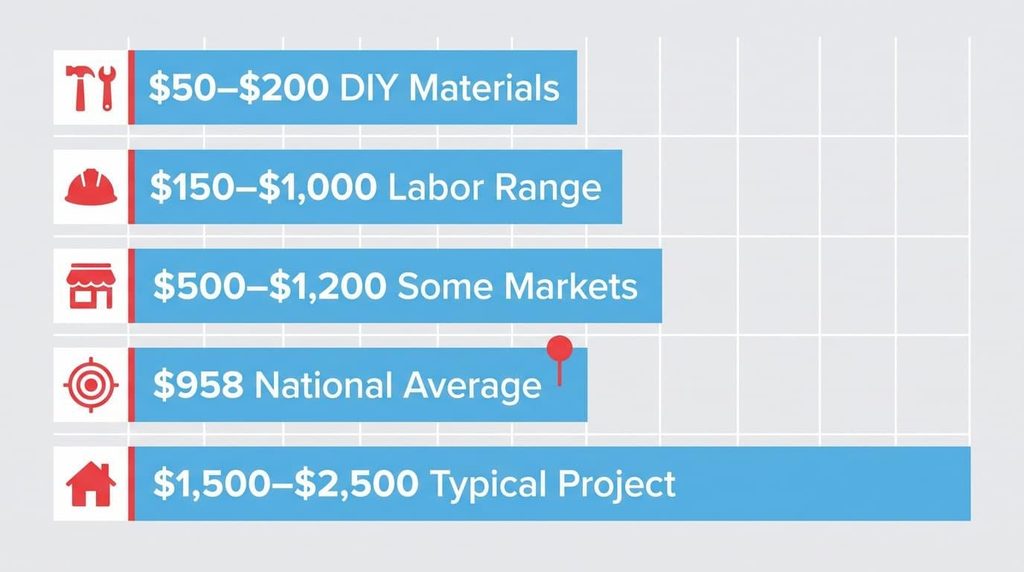
Angi’s 2026 cost guide, linked in the introduction, estimates installation labor at $150 to $1,000 nationally, with a national average installation cost of about $958 depending on plumbing setup. Complex plumbing work can cost more. If your quote already says “fully installed,” check that labor is included before adding it to your budget again.
Many homeowners pay roughly $1,500 to $2,500 for a typical project with a water softener installed, though some markets average closer to $500 to $1,200 for installation alone.
A professional installation typically connects the system to the main water supply line, sets up the bypass and appropriate drain, and tests operation. DIY installation requires suitable plumbing skills and a code-compliant setup, and materials can add about $50 to $200 beyond the unit price; a leak or drainage mistake can erase the savings after you get the softener installed.
Before approving a quote, confirm:
- Whether equipment, old-unit removal, connections, and startup testing are included
- Whether a drain, bypass valve, electrical work, or permits cost extra
- How additional work discovered onsite will be priced and approved
At Superior Water & Air, we help Salt Lake City homeowners install, replace, and repair water softeners. Our team can review your plumbing and explain the connections and setup your project needs. If you already have a unit, ask whether a repair could address the problem before budgeting for replacement.
What Will a Water Softener Cost to Maintain?
The purchase price is only the first part of the budget. Once your system is running, plan for these maintenance costs so softer water doesn’t come with unexpected upkeep.
| Ongoing expense | What to expect |
| Salt refills | Frequency varies with hardness, water usage, and regeneration settings; conventional softeners often spend about $60 to $120 per year on salt purchases |
| Water and electricity | Regeneration uses water; electronic controls need power |
| Cleaning and service visits | Brine tank, resin, and control valve may need attention |
| Repairs and replacement parts | Costs depend on component quality, age, and water conditions |
Demand-based regeneration responds to household water use, helping avoid unnecessary cycles compared with a fixed timer. Ongoing ownership costs include salt, electricity, and periodic servicing, and total annual running costs for salt and maintenance commonly fall around $100 to $300 depending on water conditions and usage. Regeneration can also add a small amount to your water bill. Ask for an upkeep estimate based on your tested hardness and the proposed model, including expected salt use and regeneration frequency.
Plan for Ongoing Care
Our Superior Protection Plan includes a water purity and hardness test, plus priority scheduling and a 10% service discount. It also includes four visits across HVAC, plumbing, and electrical systems, so it covers more than your softener. Ask which softener services qualify for the discount and what work would carry a separate charge.
Explore My Maintenance Options
Why a Water Softener Can Be Worth It
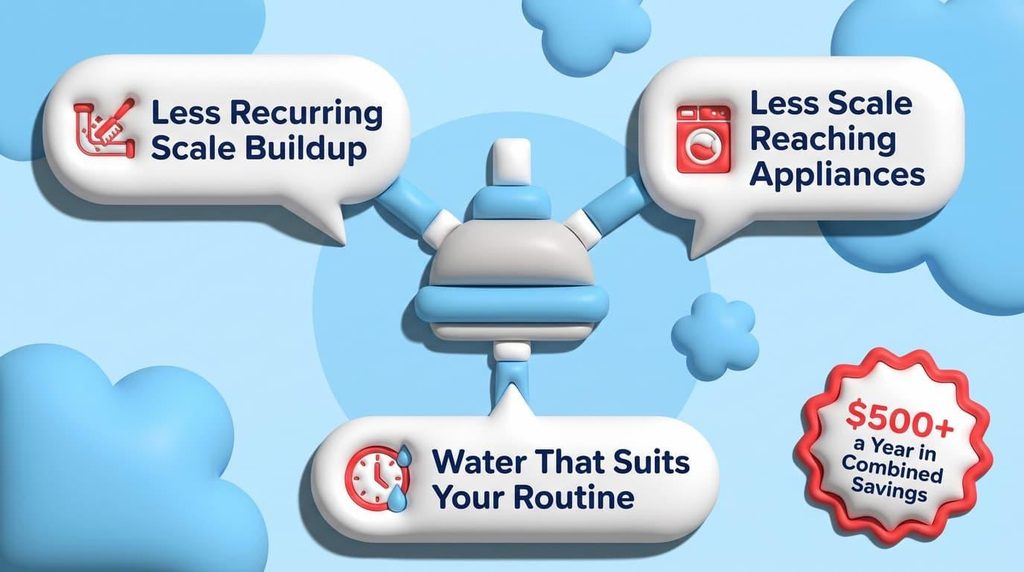
If your shower glass seems to need cleaning again five minutes after you finish, you already know the frustration. A properly sized ion exchange softener tackles the hardness minerals behind that buildup. The everyday benefits are easy to picture:
- Less recurring scale buildup. By removing calcium and magnesium, it reduces new deposits on faucets and shower fixtures, meaning fewer hard water stains and less cleaning time.
- Less scale reaching appliances. Treating hardness before water enters your water heater, dishwasher, or washing machines helps reduce limescale buildup and limit new mineral accumulation.
- Water that suits your routine. If mineral spots and soap residue are your main frustrations, softening addresses their hardness-related cause instead of leaving you to keep scrubbing.
Whether that convenience is worth the cost depends on your water test and how much the buildup bothers you. Keep expectations practical: a softener won’t repair existing appliance damage or guarantee specific results, though some homeowners notice less dry skin and softer-feeling hair, and lower soap use plus reduced heating inefficiency may help save money and offset energy bills over time, with some households reporting over $500 a year in combined soap and utility costs.
Not every water problem calls for a softener. At Superior Water & Air, our water treatment services can help you evaluate concerns such as taste or odor alongside hardness. We can explain whether softening alone fits your goals or whether you need separate filtration or drinking-water treatment.
How to Compare Water Softener Quotes
A lower price feels good until you discover what’s missing. Put quotes side by side and use these questions to compare the equipment, upkeep, and support you’re actually getting; when reviewing water softener prices, most homeowners are comparing total installed costs for a whole-home system in roughly the $1,200 to $3,800 range.
| Ask the installer | Why it matters |
| What did my water test show? | Confirms hardness and other conditions affecting treatment |
| How did you size the system? | Checks household usage, flow rate, and capacity |
| What warranties come with the system? | Separates equipment coverage from installation labor and exclusions |
| What will upkeep involve, and is annual maintenance required to keep warranty coverage valid? | Clarifies salt, regeneration, service, replacement costs, and warranty requirements |
| What support is included? | Identifies warranties, repairs, and service options |
At Superior Water & Air, we offer financing options for water treatment projects in Utah and Idaho. Our team can explain the payment options available for your installation. Review the interest rate, repayment term, fees, and total amount payable before choosing a plan, since a smaller monthly payment does not necessarily mean a lower overall cost.
Choosing a Water Softener for Your Salt Lake City Home
Finding the right system takes more than comparing price tags.
So, how much is a water softener for your Salt Lake City home? Your water hardness, daily water use, and plumbing requirements will shape the final price. A cheaper unit won’t save you money if it’s the wrong size or the installation quote leaves out essential connections.
Your initial investment can also vary by where you buy: Culligan systems or a Culligan water softener from a dealer often price differently than retail options, with installed costs commonly around $2,000 to $5,000 depending on dealer and setup, while big box stores or a box store may offer lower upfront pricing but less service support than dealership options.
Superior Water & Air has served Utah communities since 1956. Our team can help you understand your water test results, choose a water softening system that fits your household, and review the plumbing work needed for installation. We can also help you explore other water treatment options when hardness isn’t your only concern. From installing a new system to troubleshooting an existing one, we’re here to help you make a practical choice and keep your equipment running properly.
Frequently Asked Questions
Here are some practical questions homeowners ask after getting a water softener quote.
Can I use a softener with well water?
Often, yes, but well water may need testing for iron and other contaminants beyond hardness. You may need additional treatment before the softener.
Will softened water taste different?
Some people notice a change. Taste depends on the original water and whether the system uses sodium chloride or potassium chloride. Ask about drinking-water treatment if this matters to you.
Should outdoor faucets receive softened water?
Outdoor irrigation usually does not need softening. Bypassing those lines can reduce demand on the system.
Can I pair a softener with reverse osmosis?
Yes. A softener treats hardness throughout the home, while reverse osmosis can address separate drinking-water concerns at a specific tap.
What happens during a power outage?
Water may still flow through the unit, but electronic controls may not track usage or regenerate until power returns. Follow the manufacturer’s reset instructions.
Recent News
What Is a Furnace Tune-Up? What’s Included and What It Costs in Salt Lake City
October 23, 2026
What Is a Furnace Tune-Up? What’s Included and What It Costs in Salt Lake City
October 22, 2026
How Much Does It Cost to Replace a Furnace in Salt Lake City?
October 14, 2026
How to Prevent Mold in a Utah Home After Plumbing Repairs
September 11, 2025
A Utah Homeowners’ Guide to Smart Thermostats
September 10, 2025
My Water Heater’s ECO Switch Keeps Tripping – What Does It Mean?
August 21, 2025