
Call or Text
801-438-4793Back to Blog
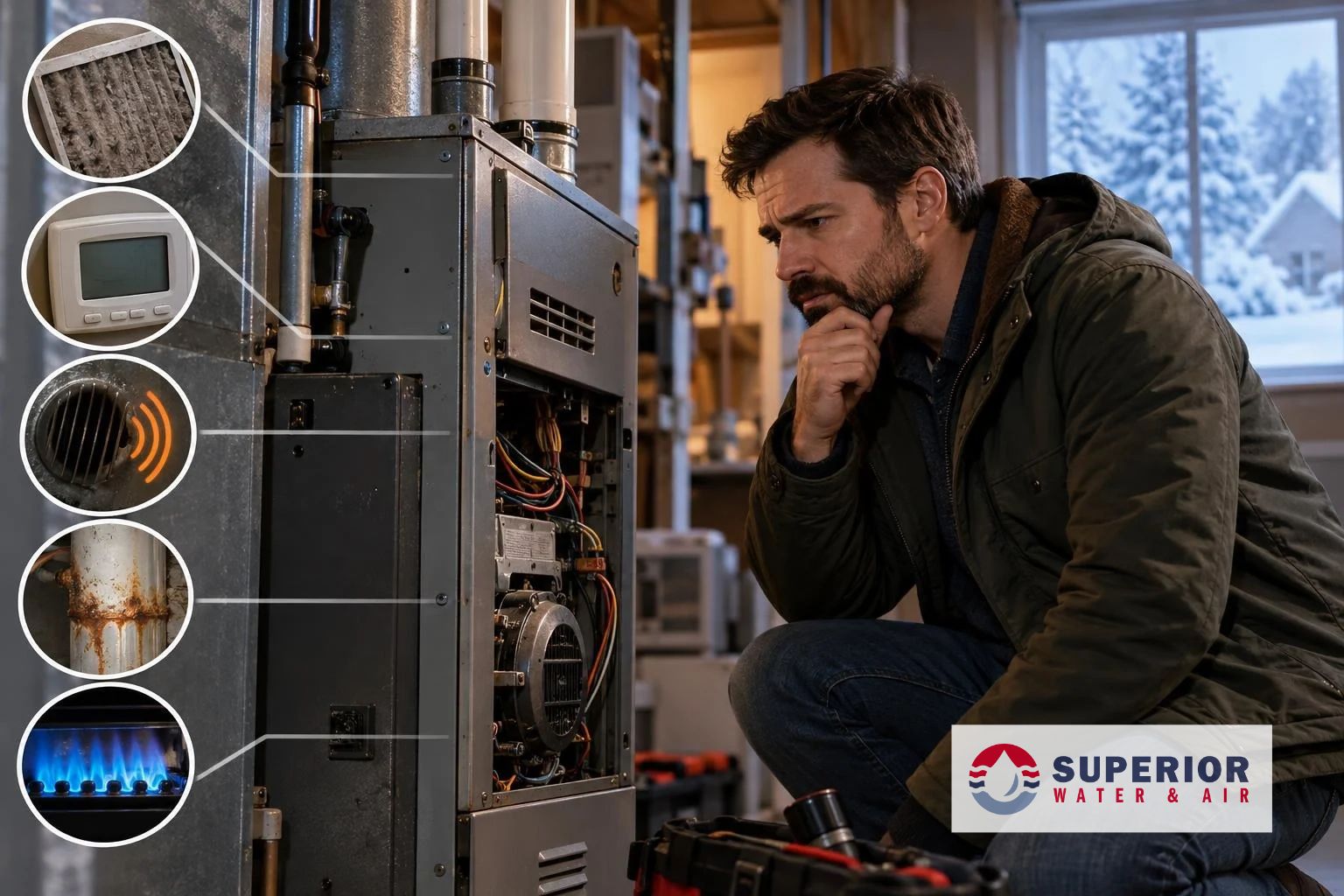
9 Signs You Need a New Furnace Before It Fails This Winter
November 5, 2026
Your furnace still starts, but the bedroom never gets warm, the gas bill keeps climbing, and the unit has begun making a noise you don’t remember hearing last winter. Is it a repair you can schedule, or a warning that you need a new furnace?
The most telling signs you need a new furnace are repeated repairs, declining heating performance, rising energy use, and an aging system with expensive component problems. One symptom alone rarely means replacement. At Superior Water & Air, we help Salt Lake City homeowners identify what’s actually wrong, compare repair and replacement options, and make a plan before a cold-weather breakdown forces the decision.
Key Takeaways
- Age matters alongside condition: Many furnaces last roughly 15 to 20 years, but maintenance, installation, and usage affect lifespan.
- Repeated repairs or a major component failure on an older unit make replacement worth pricing.
- Uneven heat, short cycling, cold air, and unusual noises warrant diagnosis; they do not automatically mean the furnace is finished.
- A gas odor or carbon monoxide alarm is an immediate safety issue, not a repair-versus-replace decision to make while staying inside.
- Compare an itemized repair quote with installed replacement costs, warranty coverage, and the condition of the rest of your HVAC system.
9 Warning Signs You May Need a New Furnace
These signs are reasons to investigate, not proof that you need a full furnace replacement. The pattern matters most: an older furnace showing several symptoms is a different decision from a newer unit with one failed part.
1. Your Furnace Is 15 to 20 Years Old
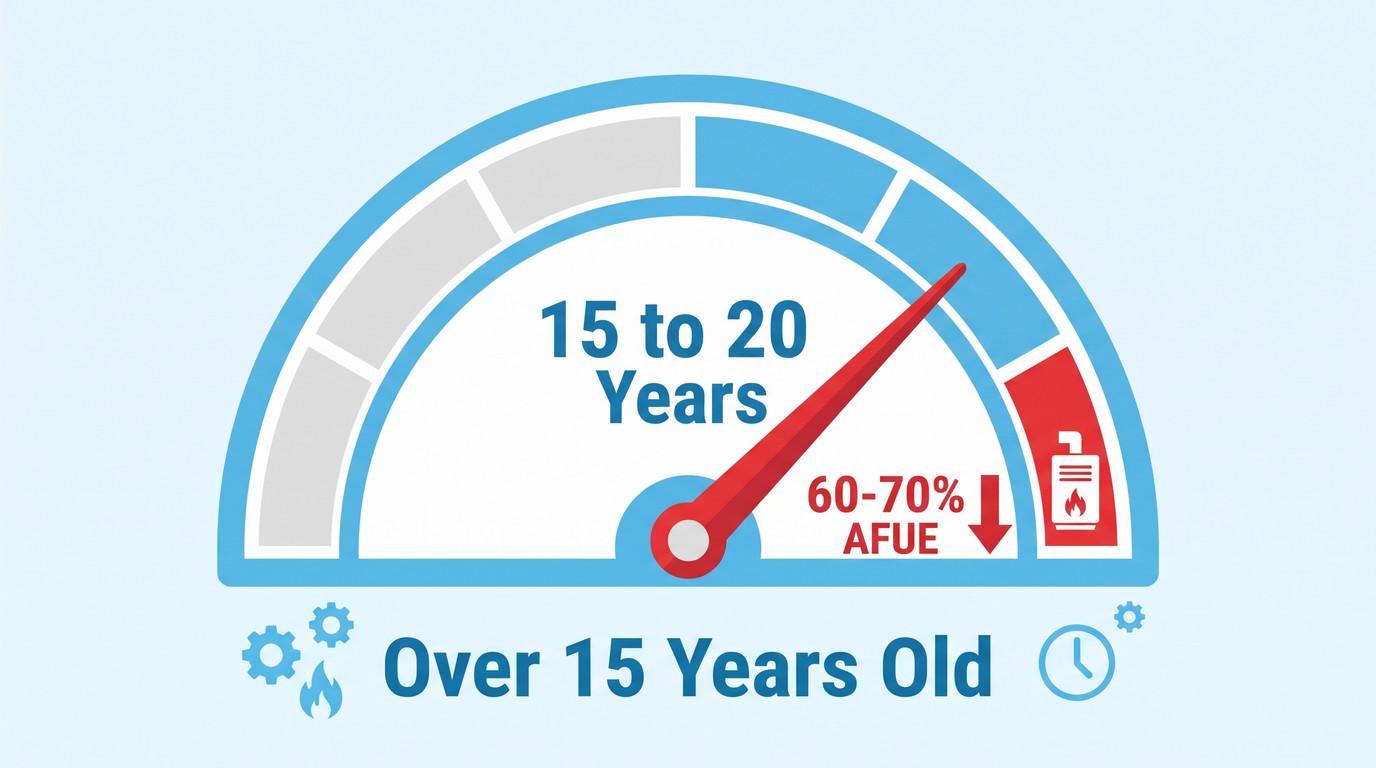
How long does a furnace last? A commonly used planning range is 15 to 20 years, and many units over 15 years old are nearing end of life, although a well-maintained furnace can sometimes last longer than 20 years and a poorly maintained one may fail sooner. Many older systems, especially furnaces from the 1990s or earlier, are outdated and may operate at only about 60-70% AFUE. Check the installation date or model information rather than guessing from the house’s age.
Age alone does not require replacement. As furnace ages, wear, failing parts, and declining efficiency can push heating bills higher even without colder weather or utility rate increases. Once a furnace passes about 15 years, though, frequent service calls, reduced comfort, or a major repair deserve a closer look. ENERGY STAR identifies furnaces older than 15 years as candidates for replacement consideration.
2. Furnace Repairs Keep Adding Up
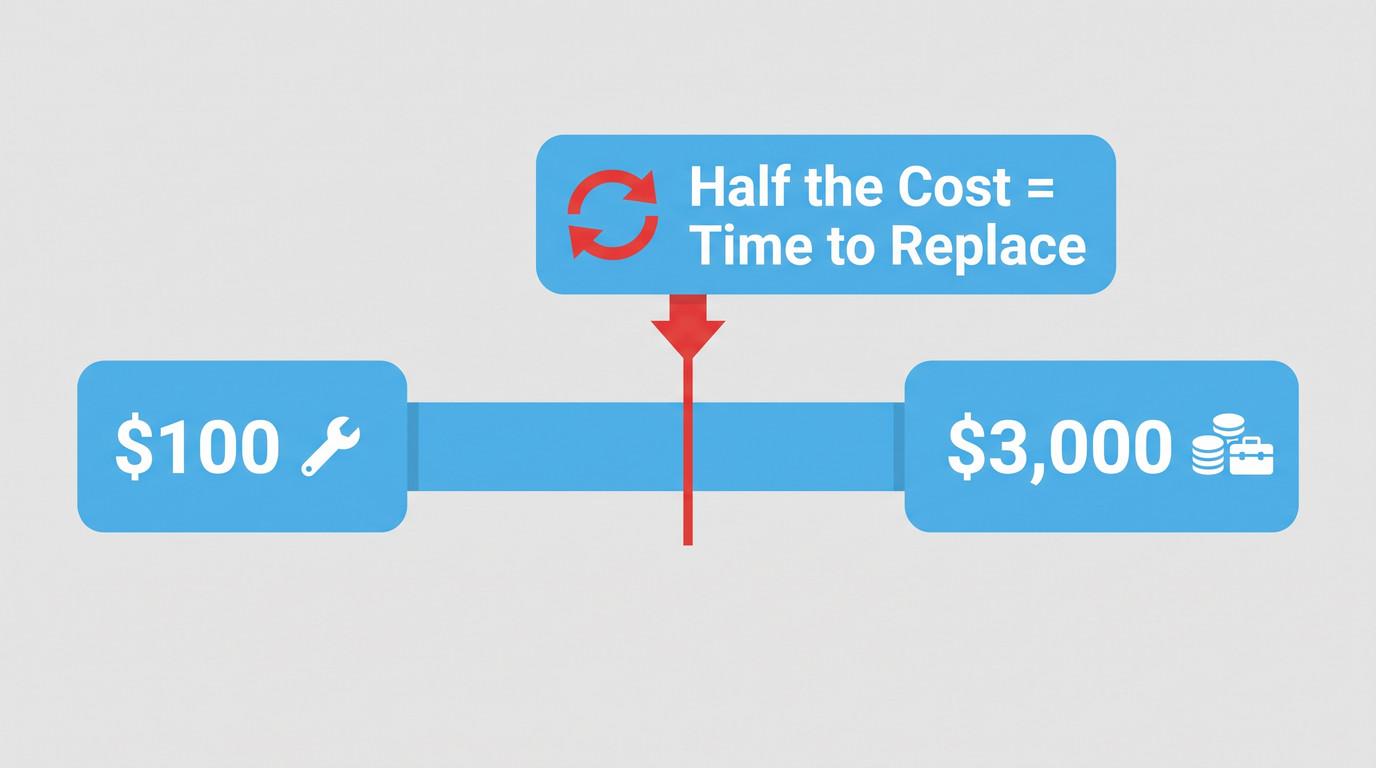
An occasional furnace repair is normal. But frequent repairs or constant repairs over one or two heating seasons, especially for different components, suggest the system may be becoming less dependable and that multiple fixes in a short time may mean it’s time to replace. Keep a record of repair bills, dates, and warranty coverage so you can see the pattern. In the HVAC industry, repair costs can range from $100 to $3,000, and if one estimate reaches half the cost of a comparable replacement, a new system often makes more financial sense.
A new igniter or thermostat on an otherwise sound unit may be worthwhile. Repeated blower motor, control, or combustion-related repairs on an aging furnace can change the calculation, especially if you’re getting on a first-name basis with your HVAC technician.
3. Your Energy Bills Are Rising Without a Clear Reason
If your gas bill is higher than comparable winters despite similar thermostat settings, increased energy bills can point to a failing furnace that is losing efficiency with age. Aging furnaces lose efficiency, so the furnace consumes more fuel to deliver the same heat. But weather, utility rates, insulation, leaky ducts, and household habits can also raise energy bills.
Compare usage, not just dollars, across similar months. An HVAC technician can evaluate the heating system before you attribute every increase to an inefficient furnace. Furnaces over 15 years old often cost more to run, and older models may be around 60% AFUE or less, while a high efficiency furnace can reach 90% AFUE or better. Comparing replacement options this way can clarify potential energy savings and help lower future energy bills with a more energy efficient system.
4. Some Rooms Stay Cold While Others Overheat
Uneven heating in a house means some rooms get plenty of warmth while others stay chilly, even when the thermostat reaches its setting. Uneven heating in different rooms can point to a loss of airflow distribution and, in some cases, furnace inefficiency. Blocked registers, clogged filters, leaky ducts, or poor airflow balancing can create these hot or cold spots, with clogged filters or duct issues often directly to blame; a blower problem is another possibility.
Start with the filter and accessible vents, then ask an HVAC technician to assess the ductwork and airflow if the problem persists. Replacing the furnace alone may not solve uneven heating caused by the way air moves through your home or restore efficient heating. An older furnace, especially one past 15 years, may also struggle to heat consistently, and ongoing uneven heating can contribute to higher energy bills.
5. The Furnace Is Short Cycling or Blowing Cold Air
Furnace short cycling means the unit starts and shuts off repeatedly before the home reaches the set temperature. A dirty filter, thermostat fault, overheating limit, or incorrectly sized equipment can cause it. A furnace blowing cold air may have an ignition, gas supply, or control problem.
Neither symptom proves that you need a new furnace, but repeated cycling or a loss of heat during a Salt Lake City winter warrants prompt professional diagnosis.
6. Your Furnace Is Making Strange Noises
A furnace making strange noises, such as new banging, rattling, grinding, or squealing, may have a loose component, motor problem, or another mechanical fault. Some expansion noises are normal, so pay attention to sounds that are new, louder, or accompanied by poor heating.
Switch the system off and request service if the noise is severe, persistent, or associated with a burning smell. Do not open gas or electrical components to investigate.
7. You Notice Rust, Soot, or Signs of Venting Trouble
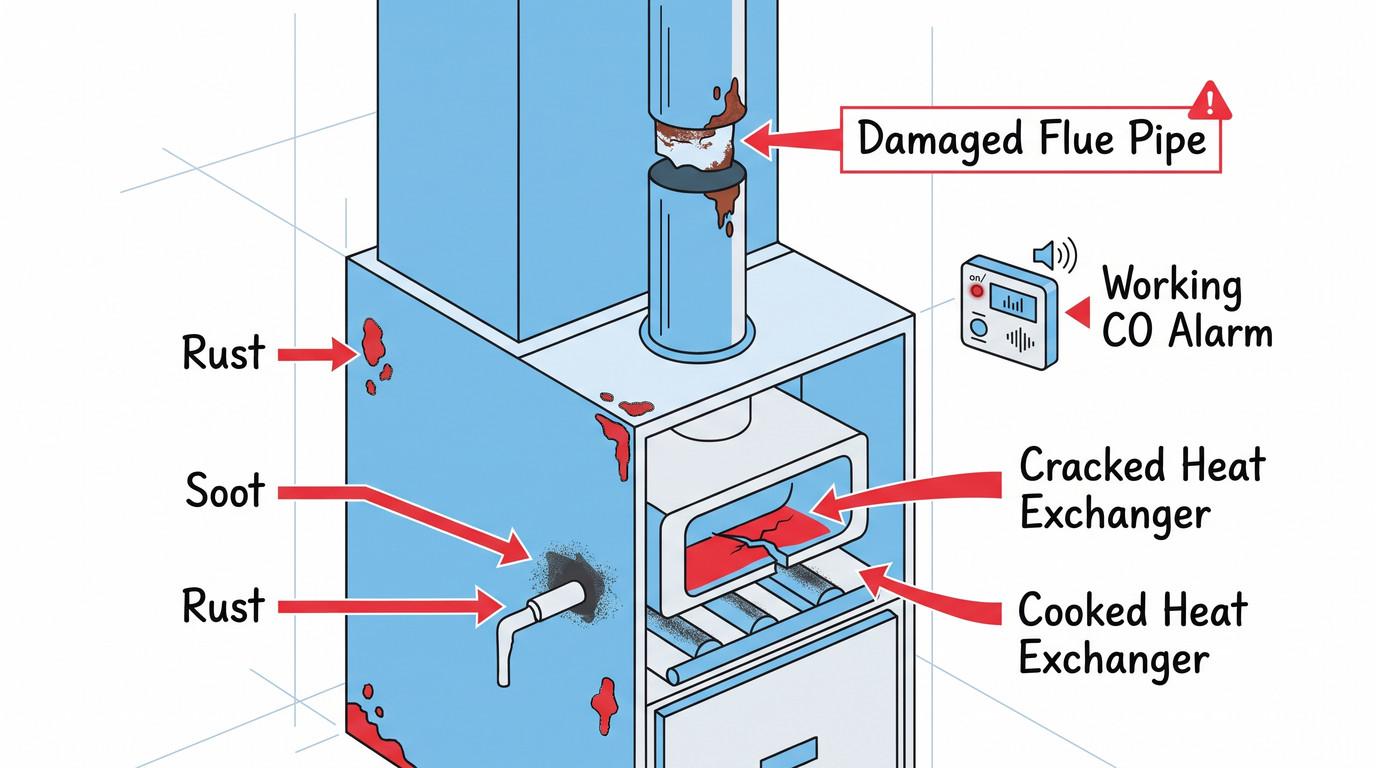
Visible corrosion, soot around the furnace, or damaged flue pipes deserve attention, particularly on natural gas furnaces. These signs can reflect moisture, combustion, or venting problems that require professional inspection.
A cracked heat exchanger is especially serious because a compromised combustion boundary can create unsafe conditions. Only a qualified professional can assess the heat exchanger and determine whether repair is feasible or replacement is necessary. The CPSC recommends working CO alarms on every level of the home and outside sleeping areas.
8. There Are Changes in Odor or Burner Flame
A rotten-egg gas smell, unusual burning odor, delayed ignition, or a yellow flame or flickering flame should not be ignored, as burner discoloration can indicate incomplete combustion. Gas furnace flames are often predominantly blue under normal operation, but flame appearance alone is not a reliable diagnosis of a gas leak, carbon monoxide issue, or cracked heat exchanger, and a pungent smell can also point to a cracked heat exchanger and should be inspected immediately.
If you smell a rotten-egg odor that may indicate a gas leak, or a carbon monoxide detector sounds, leave immediately without operating switches or equipment and call 911 or the gas company from outside before arranging HVAC service. Carbon monoxide is colorless and odorless, and symptoms can include headache, dizziness, weakness, nausea, and confusion; see the CDC’s CO poisoning guidance. Do not restart the furnace until emergency responders or a qualified professional confirms it is safe.
9. The Furnace No Longer Keeps Your Home Comfortable
A different warning sign is a failing furnace that runs for long stretches but can no longer keep the home warm or comfortable. If the air coming from the vents is not warm enough, or the system can no longer maintain the same heat it once did, the problem may involve declining heating output, an equipment fault, or a furnace that is not properly matched to the home.
Have the heating output and system sizing checked before deciding to replace your furnace. If the unit still cannot heat the home reliably after appropriate repairs and regular maintenance, that is when to replace a furnace rather than keep paying for temporary fixes, including moving ahead with gas furnace replacement.
Furnace Repair or Replace? Compare the Whole Picture
The next step is not to choose the newest model on the spot. Ask an HVAC professional to diagnose the fault, estimate repair costs, and explain how much useful service the existing furnace is likely to provide. In the hvac industry, a common comparison rule is whether a repair is about half the cost of a comparable replacement. This quick comparison helps organize the decision, and constant repairs on an older unit often mean it is time to replace instead of paying for more unpredictable fixes.
| What you find | Repair may make sense | Replacement deserves consideration |
|---|---|---|
| Age and condition | Newer system, generally sound | Older unit with multiple warning signs |
| Repair history | First isolated issue | Repeated or increasingly expensive repairs |
| Repair estimate | Modest cost relative to a new system | Major repair approaching a substantial share of installed replacement cost |
| Safety and components | Problem can be corrected safely | Confirmed serious heat exchanger or venting damage |
| Comfort and efficiency | Heating performance is otherwise good | Persistent comfort problems after proper diagnosis |
A repair approaching half the installed cost of a new furnace is a useful reason to compare options, not an automatic replacement rule. Age, safety, warranty coverage, and expected reliability matter too. At Superior Water & Air, we diagnose the problem and explain the repair option before recommending replacement, with flat-rate pricing to help you compare the costs clearly with a new heating system.
Help Me Decide Whether to Repair
What Changes When You Install a New Furnace?
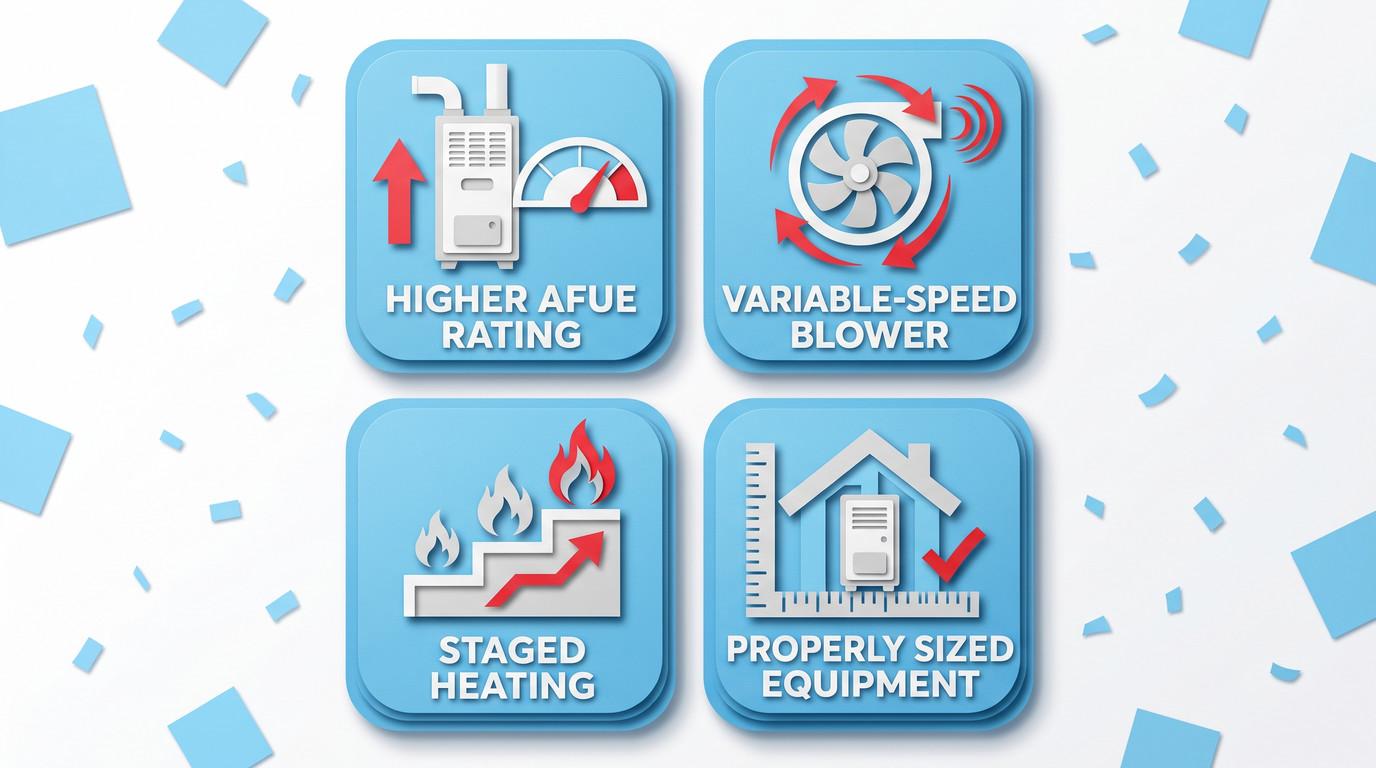
If replacement makes sense, look beyond the price. Annual fuel utilization efficiency (AFUE) measures how much of the fuel a furnace consumes becomes usable heat. A higher rating may lower energy bills, though savings depend on your current system, gas rates, and installation quality. A more energy efficient replacement can improve efficient heating, lower future energy bills, and deliver meaningful energy savings over time. Compare model ratings against the U.S. Department of Energy’s residential furnace efficiency standards.
Modern furnaces can offer features such as a variable-speed blower or staged heating for more consistent comfort. Your installer should size the equipment to the home, check ductwork and airflow, and discuss venting and condensate requirements for high-efficiency models. A properly sized new furnace installation matters more than simply buying a larger unit.
You may also want to discuss Electric furnaces or a heat pump, depending on your home and utility setup. They can last longer than gas models because they have fewer moving parts and no combustion components. If your air conditioning system or AC unit is also aging, ask whether coordinating work on the entire HVAC system would be worthwhile; replacing both is not automatically necessary.
If replacement is the better choice, we can help you compare gas furnaces and other heating options for your home, then walk you through equipment selection, sizing, and gas furnace installation so you know what to expect before work begins.
Explore Heating Options for My Home
What to Ask Before Approving Furnace Replacement

A reliable HVAC company should make the recommendation understandable. Before signing for furnace installation, ask these questions:
- What failed, and can you show me the diagnostic findings?
- What are the total repair and installed replacement prices, including any venting or duct modifications?
- How was the new furnace sized, and what AFUE rating and comfort features are proposed?
- What warranty coverage applies to parts, labor, and the existing unit?
- Will you check airflow, ductwork, and compatibility with my thermostat and air conditioning equipment?
Ask for the full scope in writing, including removal of the old unit, permits where required, startup testing, and any financing terms. That makes it easier to compare proposals rather than only the headline price.
Don’t Wait for a Breakdown to Make the Call
That cold bedroom, rising gas bill, and unfamiliar furnace noise from the start of this guide may have separate, repairable causes. But when several warning signs appear together, especially on an older furnace, waiting until the heat stops can leave you making an expensive decision under pressure.
Superior Water & Air has served Utah communities since 1956. We can assess your furnace, explain whether repair is still worthwhile, and help you plan a properly sized replacement if it is not. You can make the decision before a winter breakdown makes it for you.
Frequently Asked Questions
These are a few practical questions homeowners often have after identifying warning signs and considering replacement.
Can I replace my furnace in winter?
Yes. Furnace replacement can be scheduled during winter, although availability, weather, and the scope of installation may affect timing. Ask the installer how long heat will be off and how to keep your household comfortable during the work.
Will a new furnace improve indoor air quality?
It may improve airflow when properly installed, but a furnace alone does not solve every air quality concern. Filtration, duct condition, ventilation, and humidity may require separate attention.
Does replacing my furnace mean I need a new AC unit too?
Not necessarily. The heating and cooling components may share a blower or controls, so compatibility should be checked, but a functioning air conditioner does not automatically need replacement.
Should I keep maintaining a furnace I plan to replace soon?
Yes, while it remains in safe operation. Follow the manufacturer’s filter and maintenance guidance and have concerning symptoms evaluated; do not continue running equipment that has been identified as unsafe.
What should I do if my furnace warranty has expired?
Ask for a diagnosis and compare the full repair cost with replacement options. An expired warranty does not by itself mean replacement is necessary, but it changes how much of a major repair you would pay out of pocket.
Recent News
What Is a Furnace Tune-Up? What’s Included and What It Costs in Salt Lake City
October 22, 2026
How Much Does It Cost to Replace a Furnace in Salt Lake City?
October 14, 2026
How to Prevent Mold in a Utah Home After Plumbing Repairs
September 11, 2025
A Utah Homeowners’ Guide to Smart Thermostats
September 10, 2025
My Water Heater’s ECO Switch Keeps Tripping – What Does It Mean?
August 21, 2025
Calling a Contractor for HVAC Services Shouldn’t Be a Nightmare
August 20, 2025