Call or Text
801-438-4793Back to Blog
How Much Does It Cost to Replace a Furnace in Salt Lake City?
October 14, 2026
A furnace that needs another expensive repair can leave you with a tough decision: fix it or put that money toward a new system. For Salt Lake City homeowners, staying warm through Utah’s cold winters matters, but so does knowing what you’re paying.
How much does it cost to replace a furnace? The typical national range is $2,800 to $6,800, including installation. Your actual replacement cost in Salt Lake City will depend on the furnace you choose, your home’s heating needs, and the work required.
This guide explains the main cost factors, how to compare installation quotes, and when repairing your existing furnace may be worth considering. Use it to plan your budget before requesting a home-specific assessment.
Key Takeaways
- Furnace replacement typically costs $2,800 to $6,800 nationally, including installation. The actual cost in Salt Lake City will depend on the equipment and work required.
- Labor, furnace size, efficiency, and any necessary ductwork or venting changes can affect your final replacement cost.
- Repairing your existing furnace may be more cost-effective if it’s otherwise reliable, while frequent breakdowns or expensive repairs can make replacement worth considering.
- Comparing installation quotes, estimated energy costs, and warranties can help you choose a furnace that fits your home and budget.
- A straightforward furnace replacement can often be completed in about one working day, although installations requiring additional modifications may take longer.
Furnace Replacement Cost: What Does the Price Include?
A furnace price on a retailer’s website usually covers the equipment, not a complete furnace replacement. A professional quote should include the cost of removing the existing furnace and properly installing the new equipment. That difference can make two seemingly similar furnace prices hard to compare.
| Cost component | What it may include |
| New furnace | Heating equipment selected for the home’s capacity, fuel source, and efficiency needs |
| Installation labor | Removal, connections, setup, and testing by HVAC professionals |
| Home-specific work | Venting, duct transitions, controls, electrical changes, and applicable permits |
Treat the typical range as a starting point for budgeting. A local HVAC contractor can assess what your home needs and provide an itemized price instead of an equipment-only estimate.
What Affects Furnace Replacement Costs in Salt Lake City?

Several factors influence the total cost, even when two homeowners choose similar models. The biggest differences usually come down to fuel type, furnace size, efficiency level, and installation complexity.
Fuel Type: Gas, Electric, and Other Options
A natural gas furnace needs a suitable gas connection and safe venting. An electric furnace uses electrical heating elements and may require different electrical capacity. An oil furnace is another option in some homes, but changing fuel sources can add substantial work. The cheapest furnace isn’t always the least expensive to install or operate.
Furnace Size and Proper Sizing
A home’s insulation, windows, air leakage, and Salt Lake City’s winter heating demand affect the capacity it needs. A load calculation, often called Manual J, helps determine furnace size rather than simply copying the old unit. Oversized equipment may cycle too frequently, while an undersized furnace can struggle on colder days.
Installation Complexity and Labor Costs
Relocating equipment, updating connections, or working in a tight utility space can increase labor compared with a straightforward swap. In older Salt Lake City homes, the existing layout and access to the furnace may also affect the installation scope.
How Do Different Furnace Types Compare?
The right furnace system depends on available utilities, your home’s heating needs, and how much you want to spend upfront versus over time. This quick comparison explains how common options differ.
| System | What to consider |
| Gas furnace | Common where natural gas is available; compare venting requirements, efficiency rating, and fuel costs. |
| Electric furnace | Simpler combustion setup, but operating costs depend heavily on local electricity rates and heating demand. |
| Oil furnace | May suit an existing oil-heated home; equipment, fuel delivery, and installation needs differ. |
| Heat pump | A separate heating-and-cooling option that moves heat rather than burning fuel; suitability depends on the model and home. |
A heat pump isn’t a direct like-for-like furnace replacement in every home. An HVAC professional can explain whether it makes sense alongside your existing air conditioning setup or as part of a broader HVAC system update.
Is a High-Efficiency Furnace Worth the Higher Price?
A high-efficiency furnace may be worth the extra upfront cost if you’re looking to reduce heating expenses over time. These models use fuel more efficiently, meaning less energy is wasted when heating your home.
However, a higher efficiency rating doesn’t automatically mean bigger savings. Your actual heating costs depend on your current furnace, local fuel prices, and how often you use your system. Some high-efficiency models may also require venting or drainage changes that increase installation costs.
Before deciding, compare the total installed price and estimated annual heating costs of different models. This will give you a clearer picture of whether the potential long-term savings justify the higher initial investment.
What Extra Charges Can Appear on a Furnace Quote?
Not every installation needs extra work. Still, these are the items most worth checking before you approve a replacement cost:
- Old equipment removal and disposal: Confirm whether the quote includes removing the existing furnace.
- Ductwork and airflow: New equipment may need a transition or changes to existing connections.
- Venting and drainage: Certain high-efficiency gas systems need updated exhaust routing or condensate drainage.
- Electrical and controls: Thermostat wiring or electrical upgrades may be necessary for compatibility.
- Permits and inspections: Fees depend on the local jurisdiction and scope of work.
Confirm which of these items are included in the base price and which are separate allowances. For a Salt Lake City project, ask your installer to identify the applicable permit and inspection requirements rather than relying on a generic online fee estimate.
Repair or Replace: Which Makes More Sense?
A failing furnace doesn’t automatically mean you need a new one. A repair may be the more cost-effective choice if your furnace has otherwise been reliable and still heats your home comfortably. Repeated breakdowns, expensive repairs, and persistent comfort problems can make replacement more sensible.
| Repair may be reasonable | Replacement may be worth exploring |
| A specific fault can be repaired at a manageable cost. | Repair bills are growing, or the same issue keeps returning. |
| The system otherwise performs reliably. | Rooms heat unevenly or the furnace struggles in winter. |
| The equipment has useful life remaining. | The unit is aging, and a major component has failed. |
Superior Water & Air provides furnace repair in Salt Lake City to help identify the cause of a heating problem before you commit to replacement. Our technicians inspect the existing unit and assess its performance, age, and repair history. We explain the recommended repair and how its cost compares with replacing the system. That assessment helps you decide whether keeping your current furnace is a practical option.
Learn More About Furnace Repair
How to Compare Furnace Replacement Quotes Without Guesswork
A cheaper quote may leave out work another contractor includes. Getting multiple quotes helps, but make sure you’re comparing similar systems and installation work. Most homeowners spend about $5,000 to $7,000 on furnace replacement, though quotes vary based on scope.
| Question to ask | What it helps you check |
|---|---|
| How was the new furnace sized? | Whether the recommendation reflects a load calculation and proper sizing |
| What is included in the total? | Equipment, labor, removal, permits, venting, and startup checks |
| What efficiency and controls are included? | Whether the comparison covers the same efficiency level and features |
| What warranties apply? | Parts, labor, registration requirements, and any exclusions |
| What could change the quote? | How unforeseen installation work will be explained and approved |
Superior Water & Air’s furnace installation service starts with an assessment of your home’s heating needs and existing equipment. For Salt Lake City homeowners, we review furnace options and the connections or installation changes the selected system may require. We explain the recommended scope and pricing so you can compare the proposal with other estimates. Once the project is approved, our team installs the equipment and checks that it operates properly.
Explore Our Furnace Installation Services
How Long Does It Take to Replace a Furnace?
For a straightforward replacement with compatible ductwork and connections, installation can often be completed in about one working day. That includes removing the old unit, installing the new system, and testing its operation. More involved jobs may take longer.
Venting, electrical work, duct modifications, and inspections can extend the schedule. Ask how long your home will be without heat and whether the work can be coordinated to limit disruption during Salt Lake City’s colder months.
Should You Replace Your Furnace and Air Conditioner Together?
A furnace replacement doesn’t automatically require an AC replacement. But the two systems share parts of the home’s heating and cooling setup, including airflow and, in many homes, the indoor blower. If your air conditioner is also aging, it’s worth asking whether replacing both now offers better overall value than doing them separately.
A combined project may reduce duplicated labor, but it also increases the immediate cost. Have the contractor assess the cooling system’s condition, equipment compatibility, and shared airflow components, then compare separate and combined project estimates.
How to Plan Your Budget for a New Furnace

After comparing installation quotes, plan how you’ll pay for the project and manage ongoing expenses. Consider the following before committing:
- Set an upfront spending limit: Decide how much you can pay up front and whether you need financing.
- Ask about running costs: Compare estimated energy use for the furnace efficiency levels offered.
- Check incentives carefully: Confirm current eligibility before subtracting rebates from your budget.
- Read financing terms: A smaller monthly payment can mean a higher total repayment.
- Plan ahead when possible: Replacing a working but aging system gives you more time to weigh options.
Allow room in your budget for changes to the approved scope. Ask how any unexpected work will be priced and authorized before it proceeds.
Making the Right Furnace Replacement Decision
A furnace replacement budget should reflect the work your home actually needs. Compare complete proposals, evaluate repairs when they remain practical, and weigh ongoing heating costs alongside the purchase price.
The best investment isn’t necessarily the cheapest furnace or the most advanced model. It’s one that’s properly sized for your home, keeps you comfortable through Utah’s winters, and fits your budget without unnecessary expenses.
Superior Water & Air has served Utah communities since 1956 and provides furnace replacement for Salt Lake City homes. We assess your existing system and help you choose equipment suited to your heating needs and installation space. Our team explains the proposed work and pricing before you approve the project. After installation, we check operation and review how to use and care for the new furnace.
Frequently Asked Questions
Can a Furnace Be Replaced During Summer?
Yes. Furnace installation can be scheduled outside heating season. If your existing furnace still works, planning ahead gives you more time to compare options without the pressure of a no-heat emergency.
Will I Need a New Thermostat?
Not necessarily. Some thermostats work with modern furnaces, while two-stage or variable-speed equipment may need compatible controls to use all its features. Have the installer confirm before adding a thermostat to your quote.
Do I Need to Be Home During Installation?
Usually someone needs to provide access and answer questions, but you generally don’t need to watch the work. Ask about noise, pets, access to the mechanical room, and when heating will be restored.
What Happens to My Old Furnace?
Installers commonly remove the old unit as part of the project, but disposal isn’t included in every proposal. Confirm who handles removal and whether there’s an extra charge.
Can I Keep My Existing Air Filter?
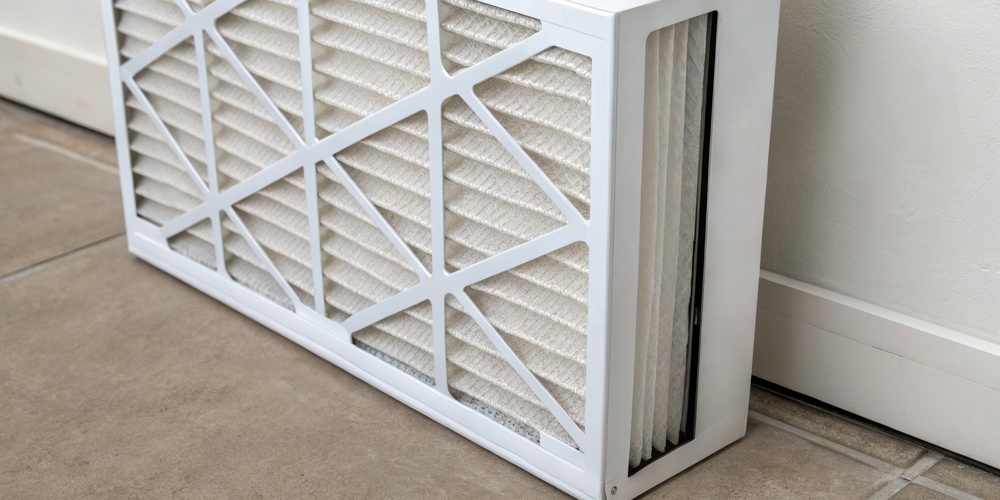
That depends on the filter size, housing, and airflow requirements of the new system. The installer should confirm compatibility; a restrictive or incorrectly sized filter can affect performance. If airflow or the filter setup changes, they may also suggest upgrades that support indoor air quality.
Recent News
How to Prevent Mold in a Utah Home After Plumbing Repairs
September 11, 2025
A Utah Homeowners’ Guide to Smart Thermostats
September 10, 2025
My Water Heater’s ECO Switch Keeps Tripping – What Does It Mean?
August 21, 2025

Calling a Contractor for HVAC Services Shouldn’t Be a Nightmare
August 20, 2025

7 Hidden Fittings That Make Your Plumbing Work
July 21, 2025
Never Underestimate the Value of Your Furnace and AC Filter
June 25, 2025