
Call or Text
801-438-4793Back to Blog
What Is a Furnace Tune-Up? What’s Included and What It Costs in Salt Lake City
October 22, 2026
The furnace kicks on, but the back bedroom stays cold. Or your heating bill keeps climbing even though you haven’t touched the thermostat. If that sounds familiar, you may be asking: What is a furnace tune-up, and could one help?
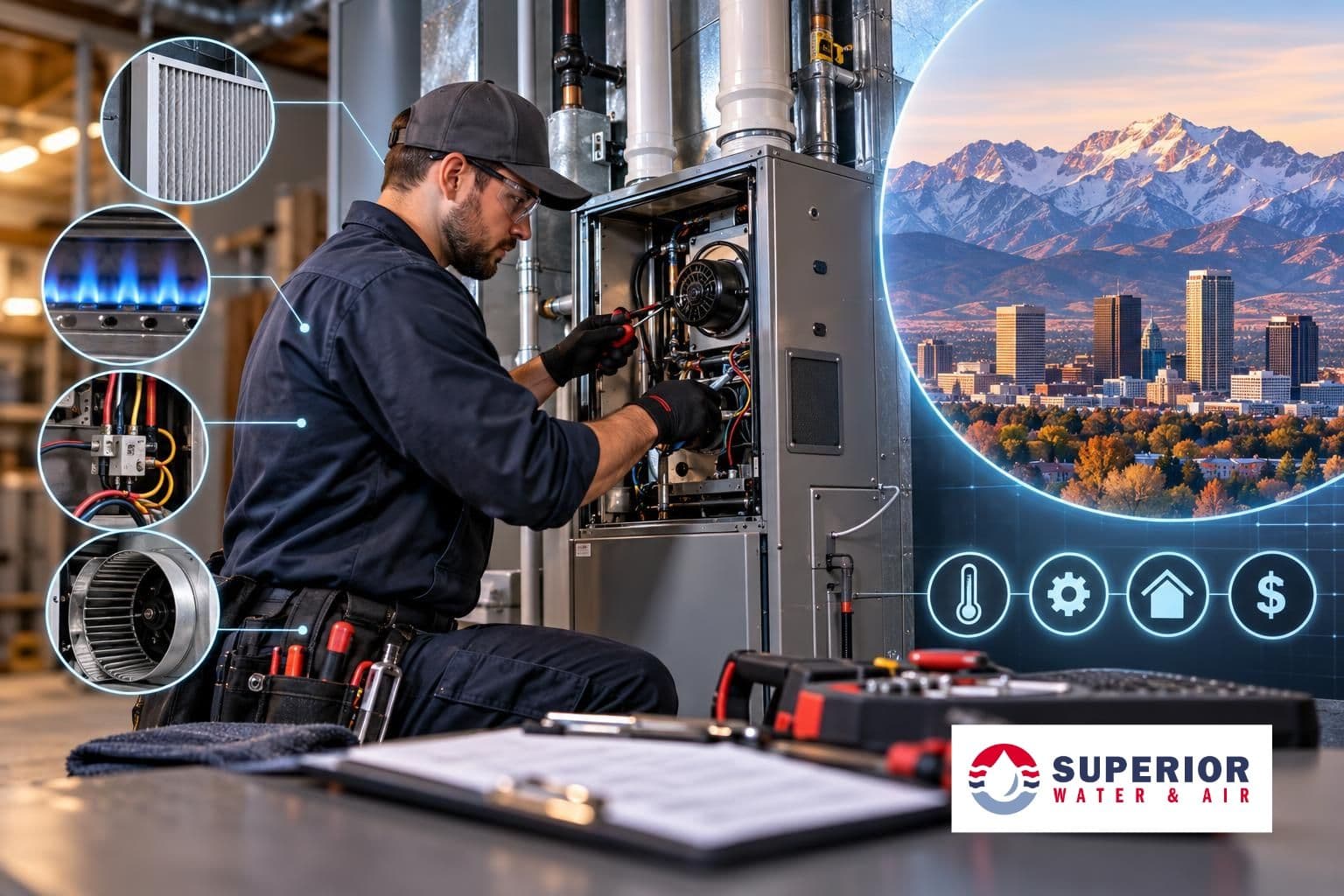
A furnace tune-up is preventive service that inspects, cleans, tests, and adjusts key parts of your heating system. At Superior Water & Air, we help Salt Lake City homeowners prepare for the colder months with professional furnace maintenance. Here’s what you should know about what’s included, how long it takes, and when to schedule one.
Key Takeaways
- A furnace tune-up checks your heating system’s operation, airflow, and safety-related components, plus combustion on fuel-burning models.
- A typical appointment takes about 60 to 90 minutes, although older systems or additional work can take longer.
- National tune-up estimates vary by service scope, so compare written checklists rather than price alone.
- Schedule annual professional furnace maintenance before heating season when possible, and don’t wait for a tune-up if you have no heat or a safety concern.
- Repairs, replacement parts, and services such as duct cleaning may cost extra; confirm what your quote includes.
What Does a Furnace Tune-Up Include?
A professional furnace tune-up includes a visit that follows a furnace tune up checklist based on the path your heating system uses to start, produce heat, and move warm air through your home. The furnace tune up checklist below shows a typical professional checklist a technician may inspect, clean, or test, along with what each check can tell you; in many cases, a typical visit may follow an 11-point checklist. The exact scope depends on your furnace model and the service booked.
| Area checked | What a technician may do | Why it matters |
|---|---|---|
| Ignition and burners | Inspect ignition components; clean the flame sensor or burners as needed, and technicians may clean burners to improve fuel efficiency | Helps identify unreliable starts and combustion problems |
| Heat exchanger and venting | Look for visible damage, corrosion, or vent obstructions; assess combustion safety | Helps identify conditions that could affect safe operation |
| Gas and electrical systems | Check appropriate gas pressure, electrical connections, and safety controls | A complete furnace tune up may evaluate proper gas pressure and combustion performance for safe, efficient operation |
| Blower and airflow | Inspect the blower motor and wheel, check the air filter, and assess airflow | Supports even heat delivery and avoids unnecessary airflow restriction |
| Thermostat and operation | Check thermostat settings and run the furnace through an operating cycle | Confirms the system starts, heats, and shuts down as expected |
For an independent reference on recommended tasks, see ENERGY STAR’s maintenance checklist.
Why Combustion and Carbon Monoxide Checks Matter
For gas furnaces, these routine checks also serve a safety purpose. A technician may examine the heat exchanger, gas connections, venting, ignition system, and applicable safety controls for signs of problems, including gas leaks and carbon monoxide leaks. Testing varies by equipment and service scope; a routine tune-up cannot guarantee it will find every hazard.
Carbon monoxide testing is a crucial part of many inspections by a professional HVAC technician, depending on the equipment and service scope.
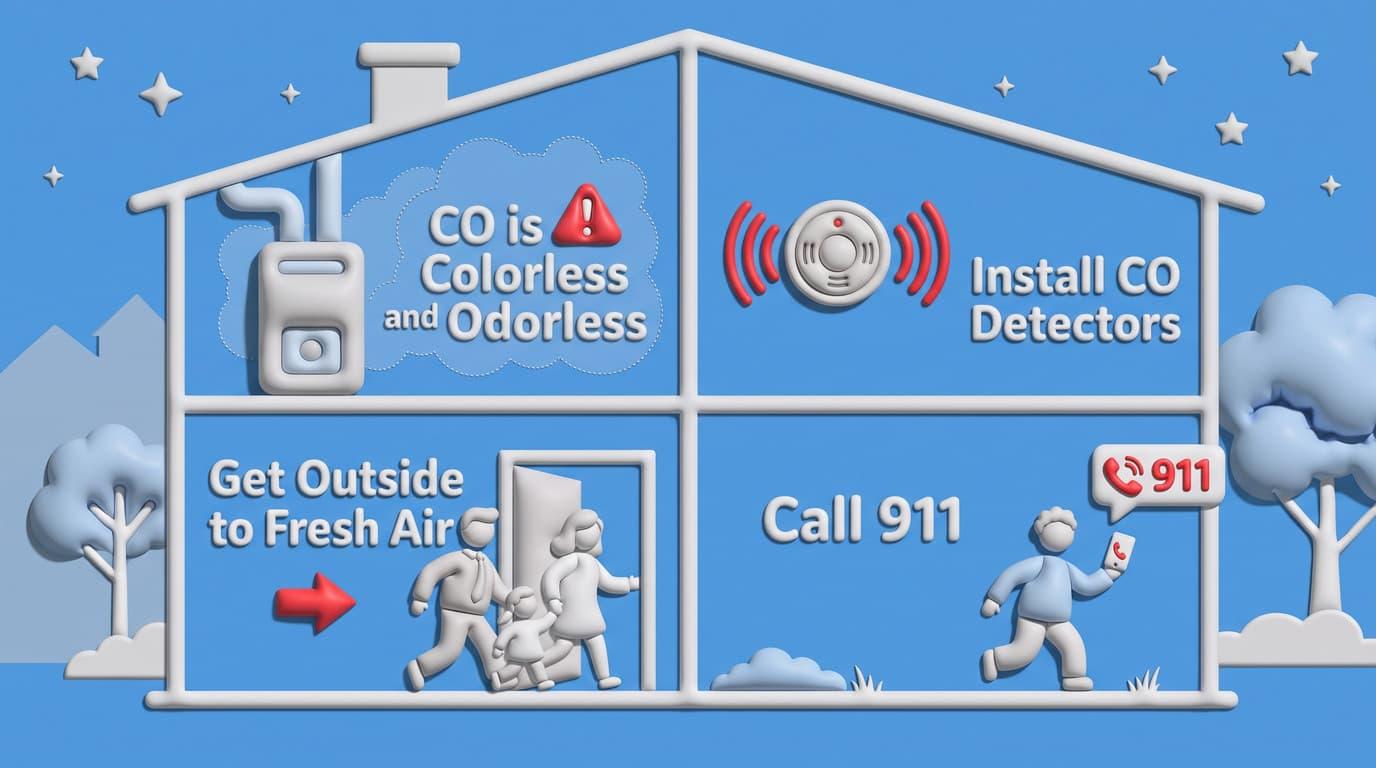
Carbon monoxide (CO) is colorless and odorless. The CDC’s guidance recommends servicing fuel-burning heating systems and installing CO detectors. If a CO alarm sounds, get everyone outside to fresh air and call 911 from a safe location. Do not reenter until emergency responders say it is safe.
AHRI’s gas furnace safety guidance also explains why professional furnace checks matter, including proper ventilation and why checking the venting system and other furnace components helps the furnace operate safely.
How Long Does a Furnace Tune-Up Take?
A routine furnace tune-up often takes about 60 to 90 minutes, though the appointment can run longer if components are hard to access, cleaning takes extra time, or testing reveals an issue. The scope of the visit, not just the furnace’s age, affects how long a technician needs.
How Often Should You Tune Up a Furnace in Utah?
For most households, annual furnace maintenance is the standard recommendation. Many furnace manufacturers and HVAC professionals also recommend you schedule a furnace tune in early fall before the heating season begins. In Salt Lake City, scheduling in early fall can help you address concerns before cold nights make reliable heat essential. If you missed that window, you can still schedule maintenance during the heating season.
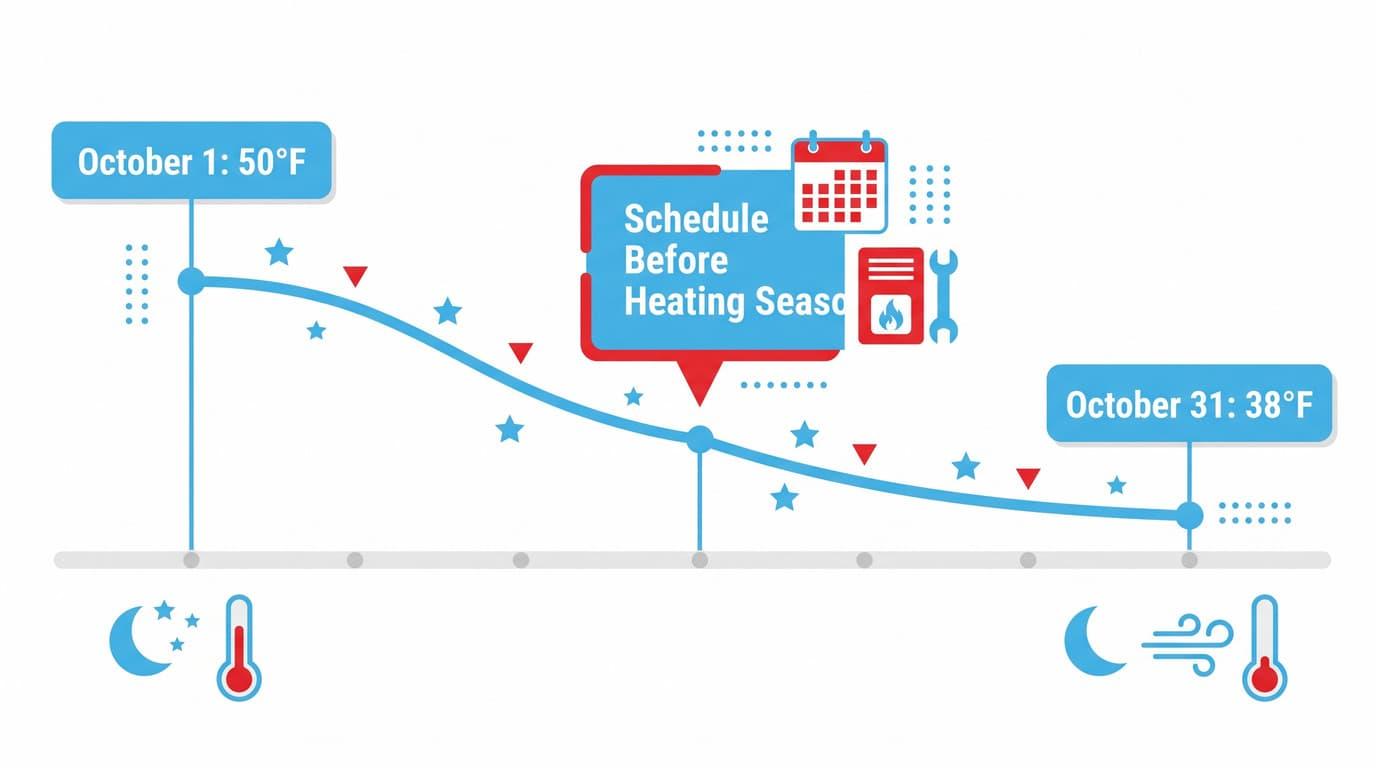
During a Salt Lake Valley winter, your furnace may need to respond to sharp daytime-to-nighttime temperature swings. A pre-season visit lets you check how it starts, cycles, and moves warm air before you rely on it every day. Salt Lake City’s National Weather Service climate records show the normal overnight low dropping from 50°F on October 1 to 38°F on October 31—a useful reminder to schedule an annual furnace tune up before steady heating becomes essential. Most HVAC professionals recommend a yearly furnace inspection. Annual tune-ups are also commonly recommended by the U.S. Department of Energy.
Follow your furnace manufacturer’s maintenance schedule if it calls for more frequent attention. Between professional visits, check or replace the filter as directed, keep supply and return vents clear, and note any changes in heating performance.
What Can Regular Furnace Maintenance Actually Improve?
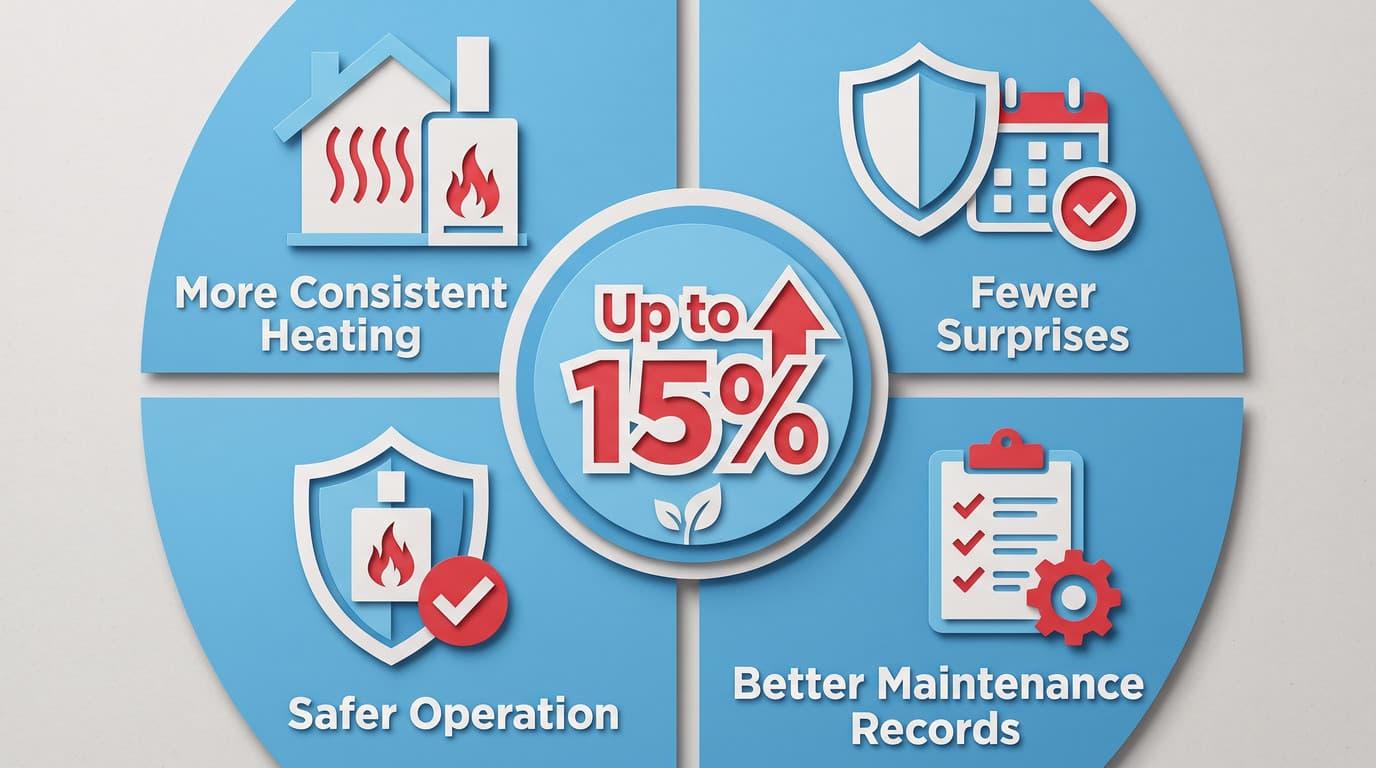
A tune-up is preventative maintenance that helps support optimal performance before a small concern becomes an inconvenient surprise. The checks above can support day-to-day comfort and reveal issues that deserve a separate diagnosis.
- More consistent heating: A clean filter and a properly operating blower help maintain proper airflow to chilly rooms and support indoor air quality.
- Fewer surprises: regular tune ups can catch worn parts early, help prevent unexpected breakdowns during winter, and reduce the chance of emergency repairs or costly repairs.
- Safer operation: Inspection of combustion, venting, and safety controls, plus system testing, can confirm the furnace is functioning correctly and support proper operation of the entire heating system.
- Better maintenance records: Documented service helps you meet the furnace manufacturer’s warranty requirements, which vary by model.
Regular maintenance can improve energy efficiency by up to 15%, lower heating bills and energy costs, and help keep the furnace running smoothly longer.
These benefits are possible, not guaranteed. A tune-up cannot undo worn components or solve every cold-room problem. If the furnace is already failing to heat, the next section explains when to seek diagnostic service instead.
Signs You Need Service Before Your Next Tune-Up
Annual maintenance is for a furnace that still works. When heat is unreliable or stops altogether, troubleshooting may be more appropriate than waiting for a scheduled tune-up, especially during a cold snap, and regular inspections may catch worn parts before they turn into larger service issues.
For example, one cold bedroom may point to a dirty filter, blocked vent, thermostat setting, or a problem elsewhere in the system. Inconsistent heating or weak airflow in certain rooms can also be signs the system needs service rather than waiting. Note which rooms are affected and when the issue occurs so a technician has a clearer starting point.
| What you notice | What to do |
|---|---|
| Uneven heating, weak airflow, or rising energy bills | Schedule an assessment; the cause may involve the filter, ductwork, controls, or furnace itself |
| Frequent on-off cycling, repeated ignition failures, or new banging noises | Arrange prompt service rather than waiting for annual maintenance, since frequent cycling and unusual noises can precede unexpected breakdowns during winter |
| Gas smell or a sounding carbon monoxide alarm | Leave immediately and contact emergency services or your gas utility from a safe location |
A tune-up checks and maintains an operating furnace. A diagnostic appointment investigates a specific fault. If you notice repeated shutdowns or no heat, describe those symptoms when booking so you can ask for the right type of visit.
How Much Does a Furnace Tune-Up Cost in Salt Lake City?
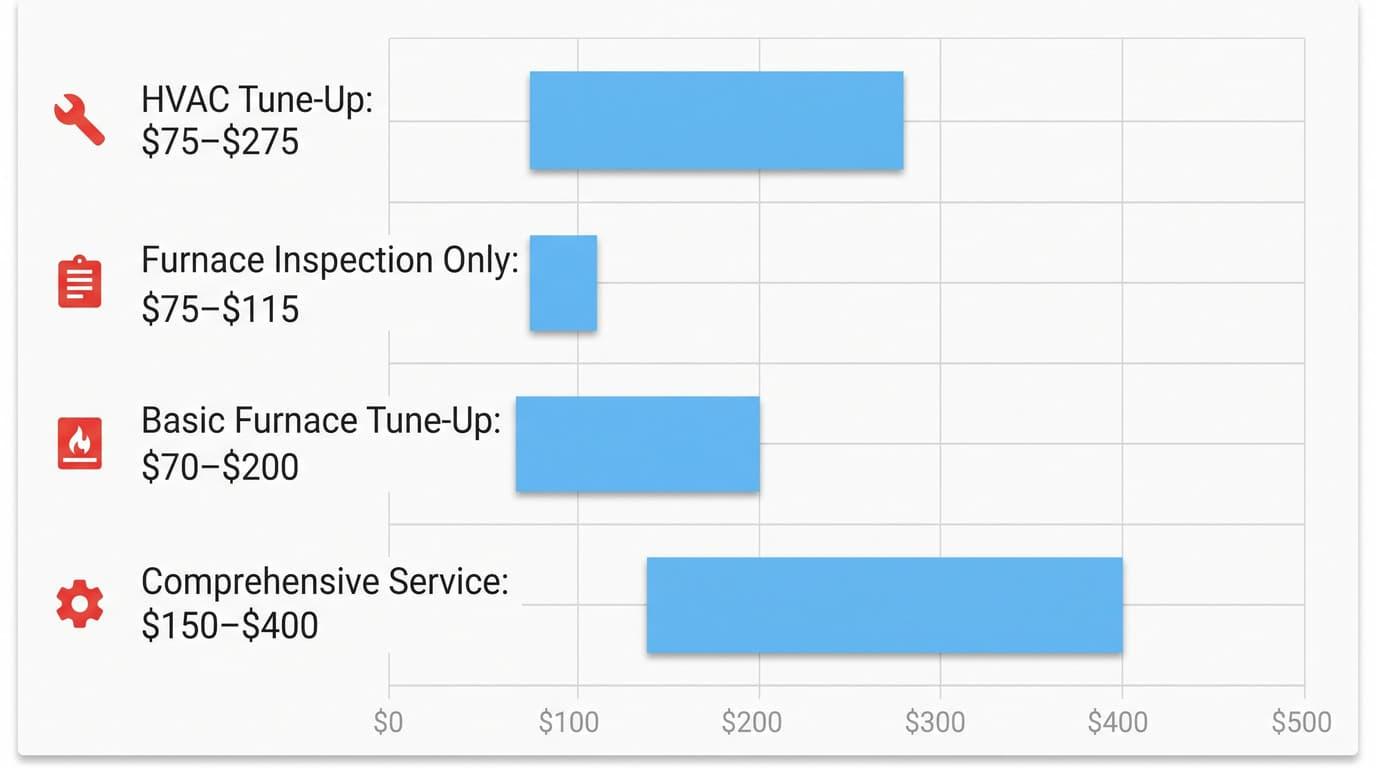
With the service scope in mind, it’s easier to compare costs. A lower advertised price may cover fewer checks or less cleaning, so ask what is included before choosing a furnace maintenance appointment in Salt Lake City.
According to Forbes Home, a standard HVAC tune-up typically costs $75 to $275 nationally, while a furnace inspection alone ranges from $75 to $115. A typical furnace tune up often falls around $70 to $200 for basic service, while more comprehensive furnace services can run about $150 to $400. A tune-up generally includes inspection and cleaning, while an inspection-only visit may not include the cleaning and adjustments a tune-up provides. These are national benchmarks, not fixed Salt Lake City prices or Superior Water & Air rates. Confirm what your quote includes, since prices can vary by location and service complexity, and whether repairs or replacement parts cost extra.
What Should You Ask Before Booking?
Once you have a quote, a few specific questions can help you understand the value of the visit and avoid surprise charges:
- What’s included in the tune-up? Ask which cleaning, performance, and safety checks are covered for your furnace type.
- Is the company properly licensed and insured? Confirm the provider meets Utah’s applicable requirements for HVAC work.
- Will the technician explain the findings? Ask whether you’ll receive an explanation of any issues identified and recommended next steps.
- Are additional repairs quoted separately? Confirm whether diagnostic work, replacement parts, or other services require separate approval and charges.
Not sure which appointment to book? We can help you choose a sensible starting point: routine maintenance for a furnace that’s running or service for a specific heating problem. Tell us what you are experiencing, and we can discuss the type of appointment to request and what the quote covers.
Can a Maintenance Plan Help With the Cost?
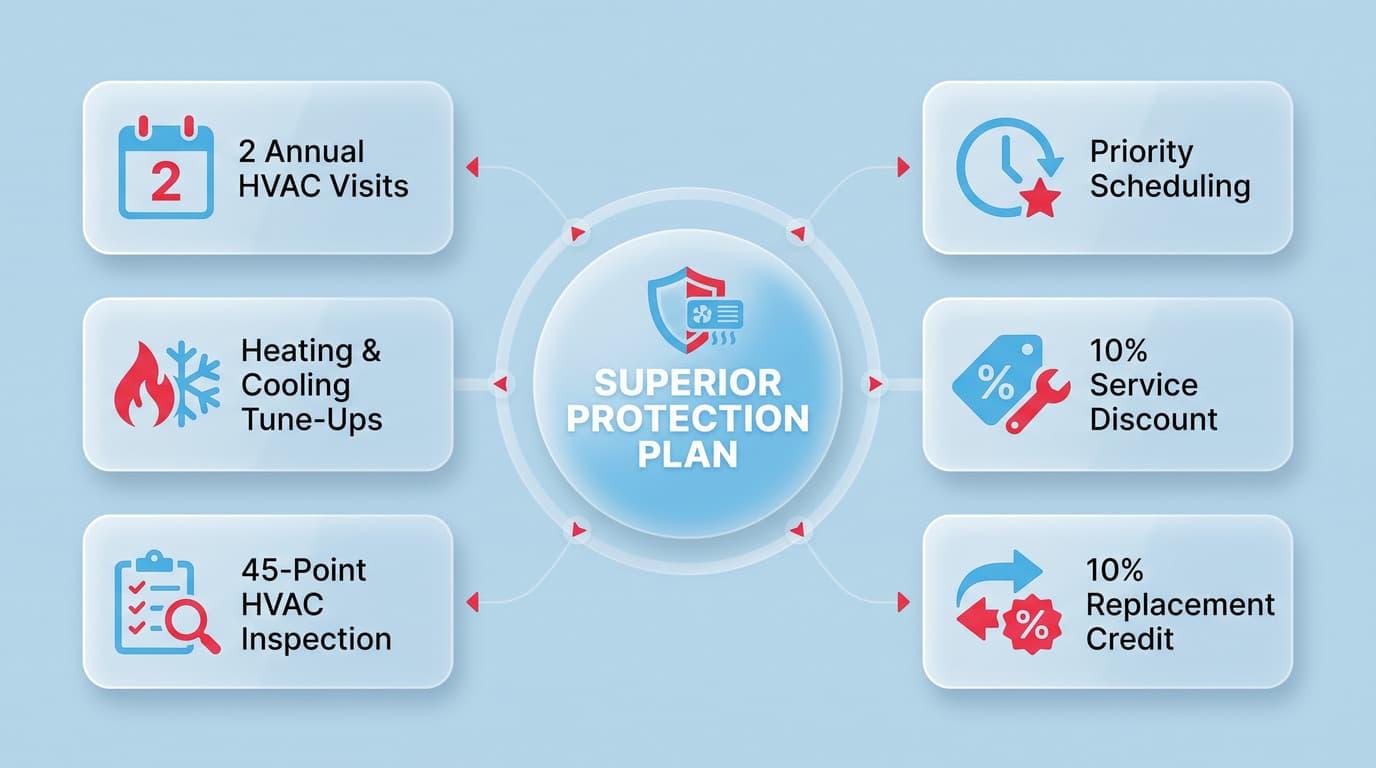
If you schedule furnace maintenance every year, a service plan may offer more value than booking individual visits. At Superior Water & Air, our Superior Protection Plan includes two annual HVAC visits, heating and cooling tune-ups, and a 45-point HVAC inspection.
Members also receive priority scheduling, a 10% service discount, and a 10% replacement credit, subject to plan terms. These benefits make ongoing maintenance easier to plan and provide extra support when your home’s heating system needs attention.
Get Your Furnace Ready for Salt Lake City’s Heating Season
A furnace tune-up gives you a clearer picture of how your heating system is performing before winter demands more from it. If the furnace is running normally, annual maintenance is a practical next step. If you are dealing with repeated shutdowns, unusual sounds, or a loss of heat, ask about troubleshooting instead.
Ready to get your furnace on the calendar? Superior Water & Air helps Salt Lake City homeowners move from uncertainty to a clear next step. Whether you are planning preventive care or concerned about a change in performance, contact our team to discuss what your furnace is doing and which service makes sense for your home.
Frequently Asked Questions
Here are our answers to a few practical questions homeowners ask before a furnace tune-up.
Can I use a smart thermostat with my furnace?
Often, yes, but compatibility depends on the furnace controls, wiring, and thermostat model. Ask your technician to check compatibility before installation.
Should I replace the furnace filter before the appointment?
You can, but let the technician know when you last changed it. If you’re unsure which filter fits, ask during the visit rather than installing one with the wrong dimensions or airflow rating.
Does a furnace tune-up include duct cleaning?
Usually not. Duct cleaning is a separate service and isn’t automatically needed with every furnace tune-up. Ask about it only if you have a specific duct-related concern.
Will a tune-up fix a furnace that won’t turn on?
Not necessarily. A no-heat situation usually calls for troubleshooting and repair, which may be billed separately from routine maintenance. Describe the issue when you call.
Can I maintain a gas furnace myself?
You can check the filter, keep vents clear, and monitor how the thermostat operates. Leave gas pressure, combustion, electrical testing, and heat-exchanger assessment to a qualified professional.
What should I do before the technician arrives?
Clear a safe path to the furnace, note any unusual sounds or error codes, and, if you can find it, have the model information available; homeowners can also handle a few simple maintenance tasks themselves between regular furnace tune ups. A qualified HVAC technician should handle a complete furnace tune up involving gas pressure, the blower wheel, electrical testing, and other key components of the HVAC system to check system performance and catch issues early. If a carbon monoxide alarm sounds or you smell gas, leave the area and seek emergency assistance rather than waiting for a routine visit. Regular maintenance and an annual tune up help keep the furnace operating for reliable heating, improve energy efficiency and system efficiency, lower energy costs and energy consumption, and older systems may need more frequent tune ups.
Recent News
What Is a Furnace Tune-Up? What’s Included and What It Costs in Salt Lake City
October 23, 2026
How Much Does It Cost to Replace a Furnace in Salt Lake City?
October 14, 2026
How to Prevent Mold in a Utah Home After Plumbing Repairs
September 11, 2025
A Utah Homeowners’ Guide to Smart Thermostats
September 10, 2025
My Water Heater’s ECO Switch Keeps Tripping – What Does It Mean?
August 21, 2025

Calling a Contractor for HVAC Services Shouldn’t Be a Nightmare
August 20, 2025