Call or Text
801-438-4793Back to Blog
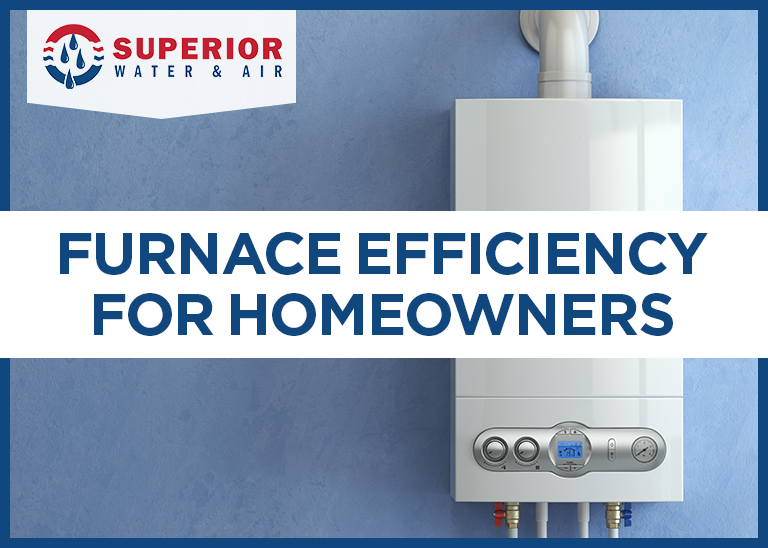
Furnace Efficiency for Homeowners
January 7, 2017
In the past few years there has been quite an emphasis on the benefits of “going green” and making your home more energy efficient. As a professional HVAC company, we often get questions on furnace efficiency, what it means, and how having an energy efficient furnace can benefit one’s home. Those same benefits of an energy efficient furnace weigh heavily once a furnace nears twenty years old and repair costs climb.
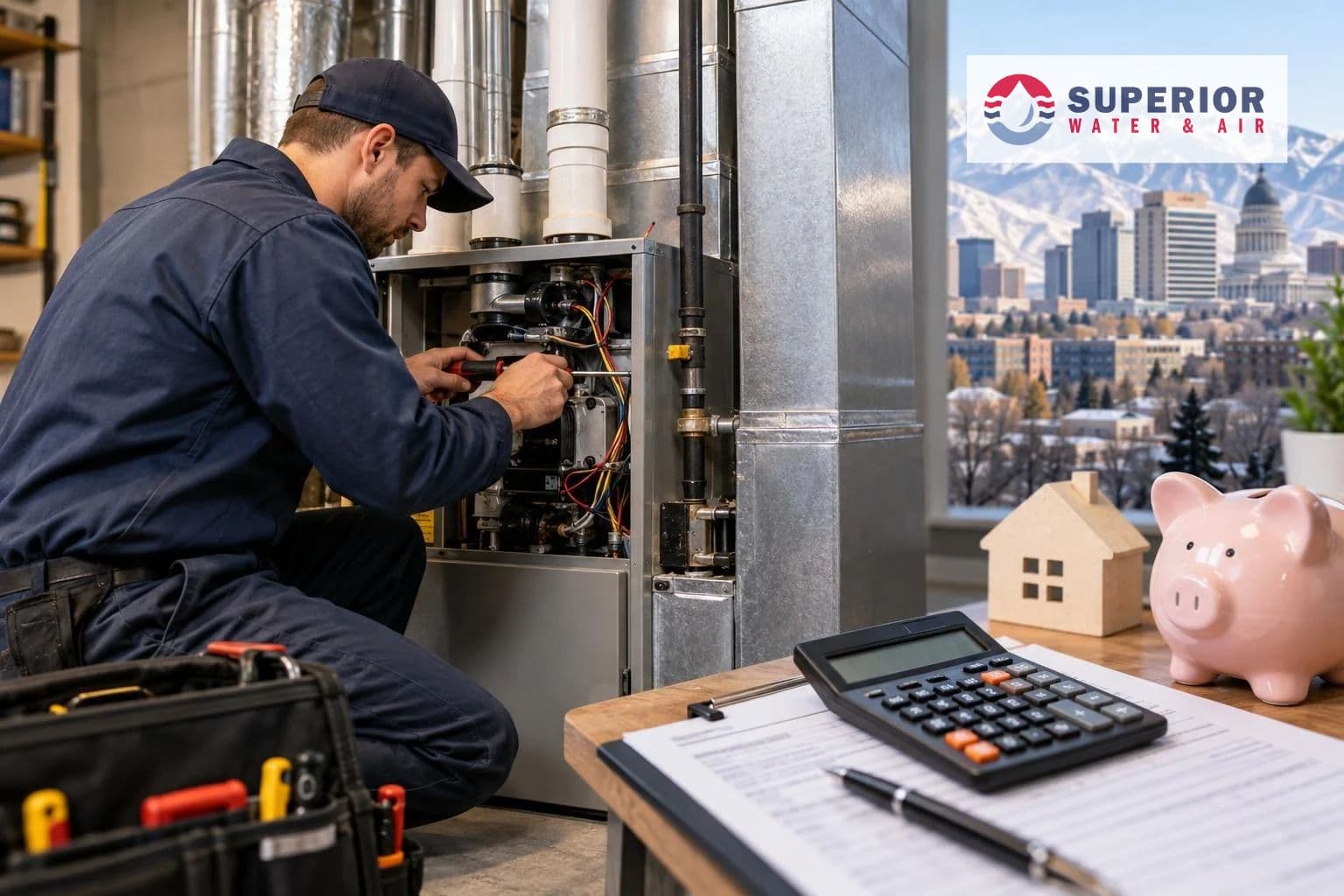
During a furnace tune-up or maintenance, our technicians will be able to tell you the age and capacity of the furnace. A closer look at what a furnace tune-up includes shows how technicians check age, capacity, and overall efficiency during every visit.
We have broken down the way efficiency is measured as well as the difference between mid and high furnace efficiency to help you determine which furnace type is right for your home. Those efficiency differences also shape the checks for gas and electric furnaces during a seasonal tune-up.
Furnace Efficiency Measurements
There are two efficiency measurements you need to be familiar with when dealing with furnaces: steady state and seasonal.
- Steady State Efficiency
Steady state efficiency refers to how much usable heat is created when a furnace is running. For example: conventional gas and oil furnaces have steady state efficiencies of roughly 80%. Older furnaces with lower steady state efficiency often face higher furnace age and repair costs as parts become harder to source. This means that when the furnace is on, 20% of the heat that is generated goes up the chimney and outside. The remaining 80% is transferred through a component called a heat exchanger, which then travels through the ductwork and ends up coming out of the registers you have in each room. - Seasonal Efficiency
Seasonal efficiency is a bit more complex but refers to the off-cycle losses in addition to the steady state losses. You can think of it as an overall efficiency measurement. Furnaces are not on all the time – not even in the dead of winter. They cycle on as the thermostat calls for heat, and cycle off again when the thermostat is satisfied. During the start-up and cool down, the furnace doesn’t operate as efficiently thus contributing to off-cycle losses. These off cycle losses raise energy bills over time, which is one reason rising costs without a clear cause can point to an aging furnace.
In addition, when the furnace isn’t on, the heat from your house escapes up the chimney flue the same way that heat would escape from an unused fireplace, if the damper was left open. This is also considered an off-cycle loss. If you add these off-cycle losses to the steady state losses you end up with the seasonal efficiency. Seasonal efficiencies for conventional gas and oil furnaces are about 60-65%.
Is a High Efficiency Furnace Right for You?
High efficiency furnaces are complex, and as a result they are often more expensive than conventional furnaces. High efficiency furnaces on average cost about $1000-$1500 more than a conventional furnace. That high-efficiency furnace price premium is a key factor homeowners weigh when comparing replacement quotes. That being said, if you were to spend $1000 heating your house with a conventional furnace, you can save close to $350 with a high efficiency furnace. Over time, these savings will pay for the system itself.If you’re considering a high efficiency system on a retrofit basis, or as an option in a new home, it is best to speak to a reliable HVAC company to discuss the pros and cons of various models and the estimated increase in furnace maintenance costs. From there you will be able to determine what furnace is best for you. Call Superior Water & Air at 801-312-8143 to schedule an appointment!
Recent News
Whole Home Water Filtration vs. Reverse Osmosis: Which Do You Need in Salt Lake City?
November 20, 2026
Water Softeners vs Water Purifiers: What You Should Know
November 20, 2026
5 Best Fireplace Companies Salt Lake City for 2027
November 18, 2026
Hard Water in Salt Lake City: How to Fix Water Hardness at Home
November 17, 2026
How Long Do Water Softeners Last? Repair or Replace in Salt Lake City
November 10, 2026
How Often Furnace Maintenance Should You Schedule in Salt Lake City?
November 10, 2026