
Call or Text
801-438-4793Back to Blog

How Your Water Heater Works
September 7, 2016
Every day, you experience the benefits of hot water: in the shower, doing the dishes, washing your hands, cooking your food. No matter where it is, hot water has something to do with it. But have you ever stopped to wonder where all of this hot water is coming from, and what it has to do with your electrical bill? Well, here’s a quick guide to the dirty details of water heating:
First:
The process starts with the cold water shutoff valve. Water is pumped from the municipal system through copper piping into your home, where it arrives at the water shutoff valve. If you don’t want your water heated, simply turn the handle until it’s perpendicular to the pipe. If you do want your water heated, keep the handle parallel to the pipe.
Next:
The water then enters the tank and flows all the way to the bottom in a dip tube. At the bottom, the pilot light heats two elements, and from there the heat flows to the burner, which burns much like a stovetop does. The cold water then heats up and then floats to the top, making room for more cold water to be heated.
Lastly:
All this burning can produce a lot of gas. Where does it all go? That’s simple. There’s a vent at the top of the heater, and the gas flows through the vents and right out of your house.
Call a Utah water heater specialist to learn how you can improve your efficiency and save money on your water heating! Contact Superior Water and Air at (801) 312-8143 or schedule an appointment online.
Recent News
Whole Home Water Filtration vs. Reverse Osmosis: Which Do You Need in Salt Lake City?
November 20, 2026
Water Softeners vs Water Purifiers: What You Should Know
November 20, 2026

5 Best Fireplace Companies Salt Lake City for 2027
November 18, 2026
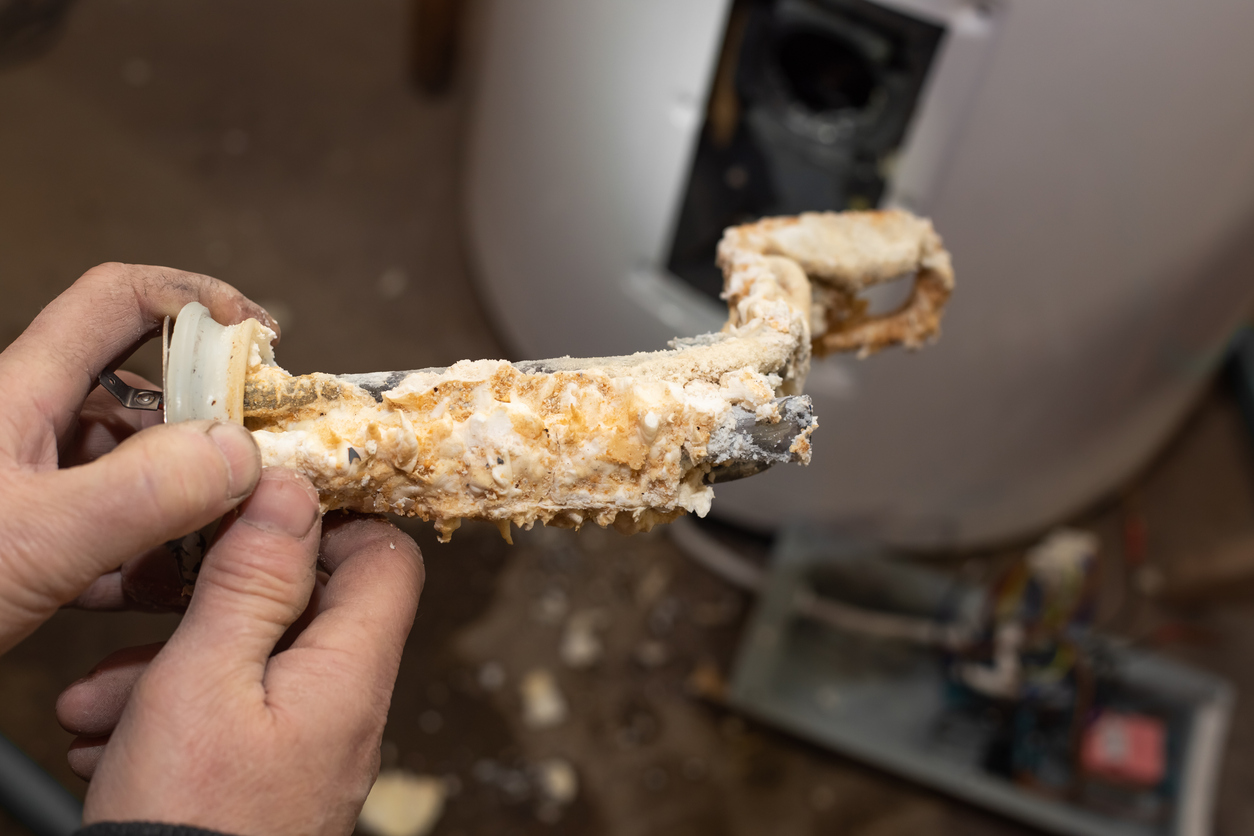
Hard Water in Salt Lake City: How to Fix Water Hardness at Home
November 17, 2026
How Long Do Water Softeners Last? Repair or Replace in Salt Lake City
November 10, 2026
How Often Furnace Maintenance Should You Schedule in Salt Lake City?
November 10, 2026